The field of architecture is witnessing a paradigm shift, with a growing awareness of the environmental impact of construction and demolition. In this context, the concept of inhabiting a ruin takes on a new meaning, advocating for the transformation of structures and spaces through upcycling and recycling. The project explores the importance of adopting sustainable architectural practices to combat climate change and reduce the need for demolition, ultimately contributing to a more sustainable and regenerative built environment.
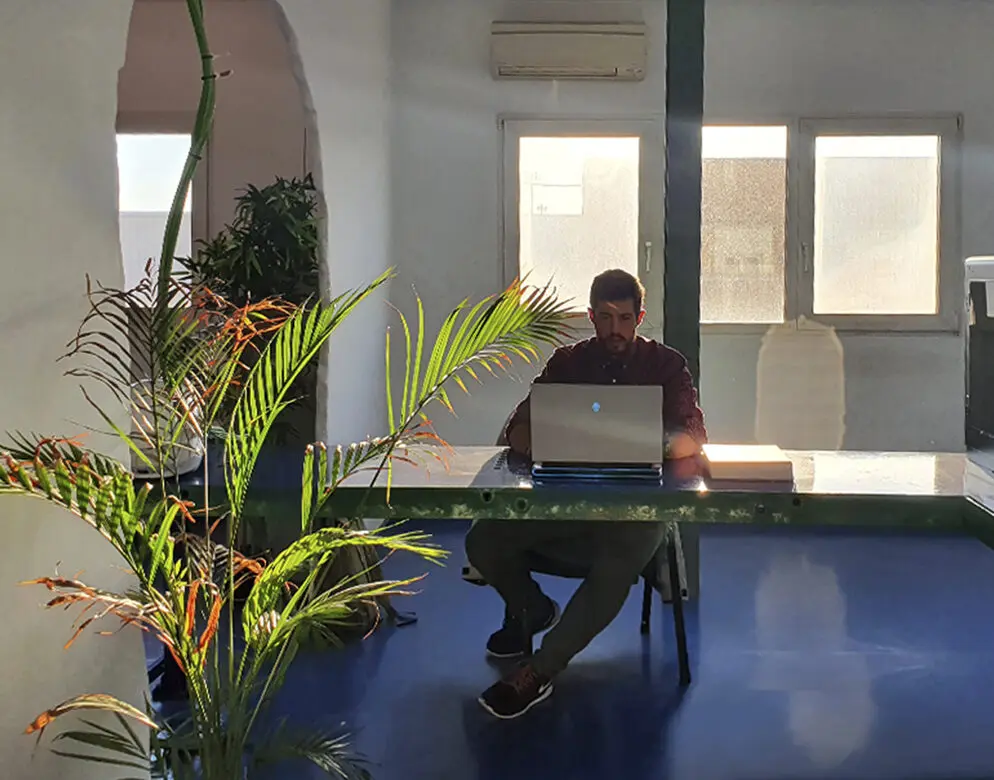
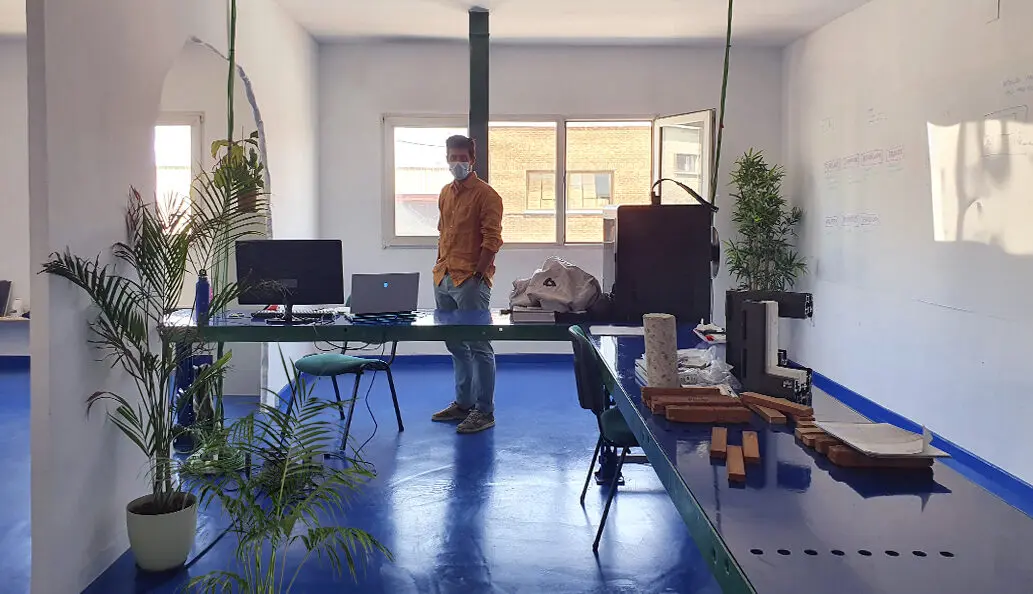
Demolition represents a significant issue in urban environments, a throwaway culture that contributes to the depletion of
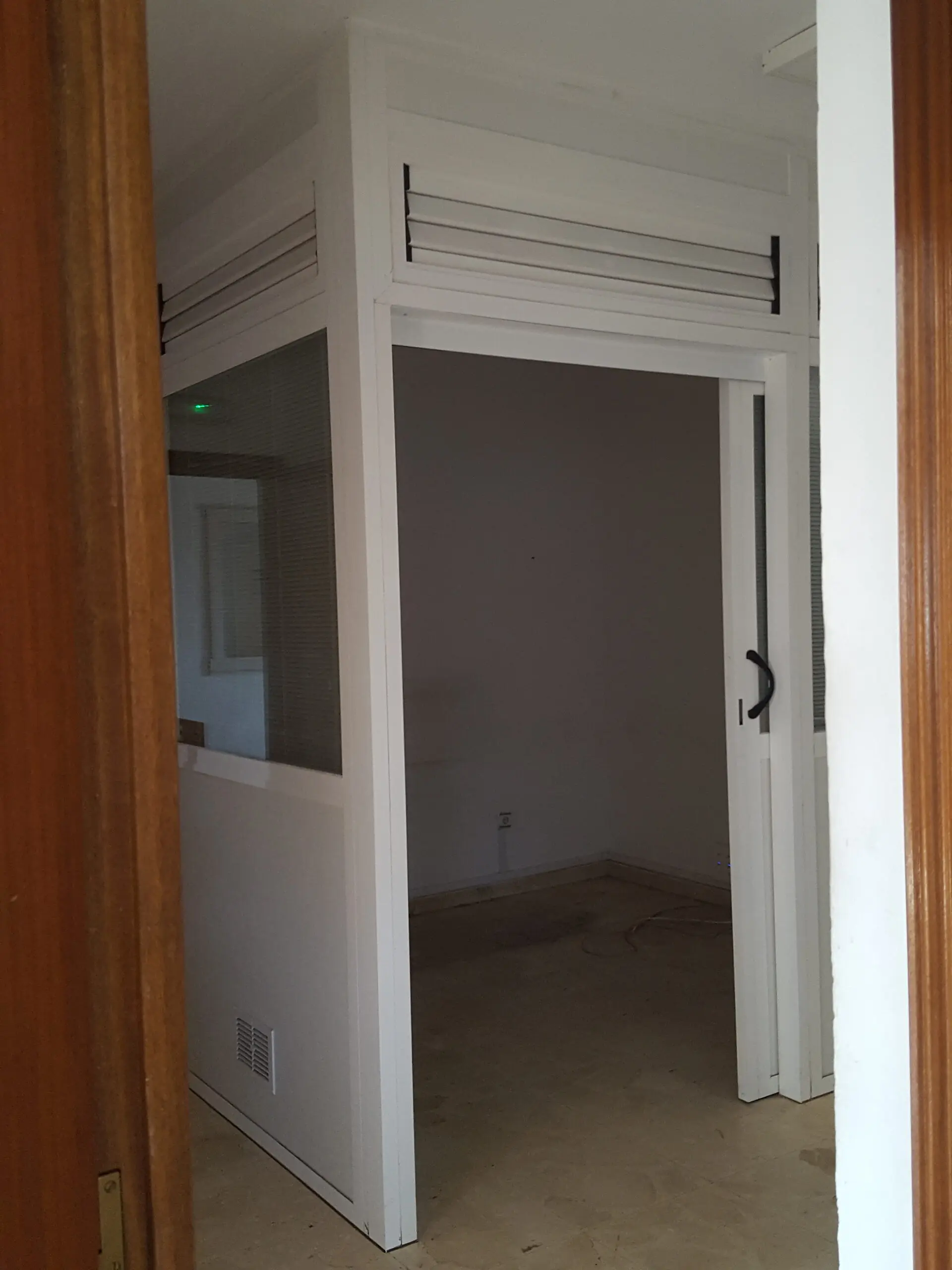
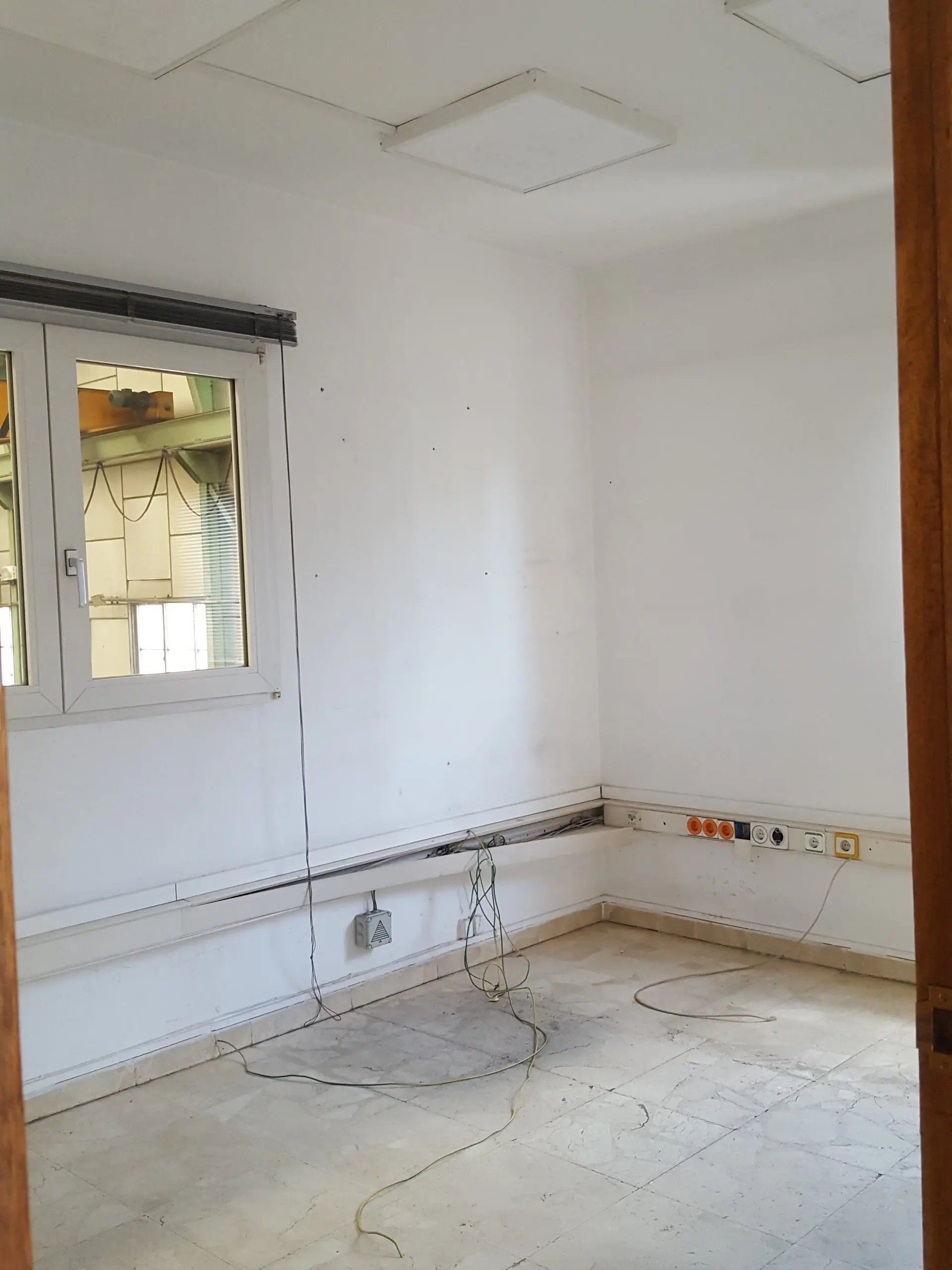
resources and increased waste. Understanding the reasons behind abandonment helps us appreciate the importance of upcycling and recycling in architecture. The refurbishment of this office is carried out for a startup that works with bolton construction systems to implement the circular economy in the construction sector, eliminating demolition. The office space is located inside a warehouse where its R&D tests are carried out.
Taking into account the limited budget ( 1500 euros) and the philosophy of the company, the project is a sustainable approach that prioritizes environmental, social, and economic considerations. To do so, it was decided to work with 3 operations: demolish the minimum, reuse the maximum, paint to unify.
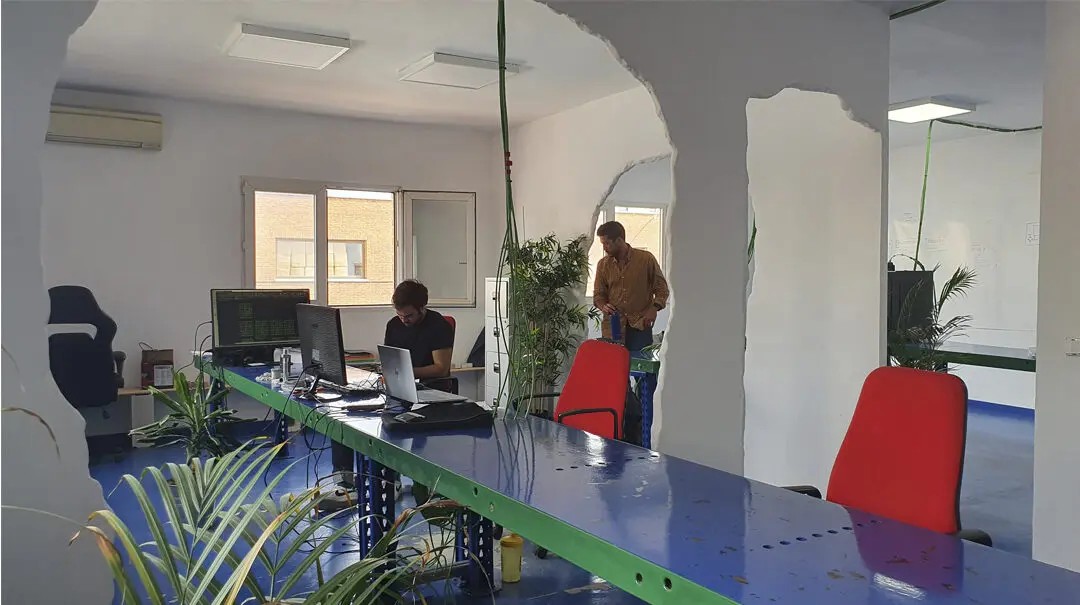
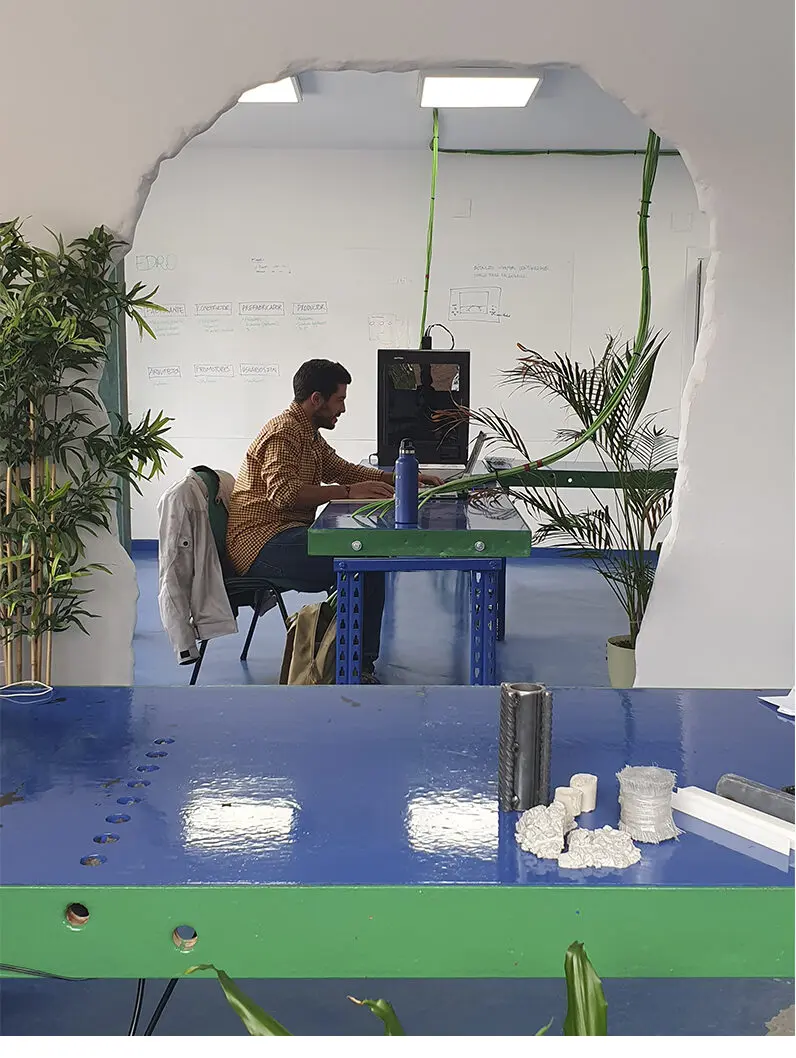
To create an open and bright space; but with differentiated spaces, the doors are removed and holes are opened in the walls to communicate the rooms. The tables are made with formwork boards that go through the holes. Building systems are unhided, cables fall down from tthe ceiling to plug the tables to electricity and data. Finally, plants are placed to bring calm
to workers, several studies show that caring for plants significantly reduces cortisol levels and increases levels of optimism and satisfaction.
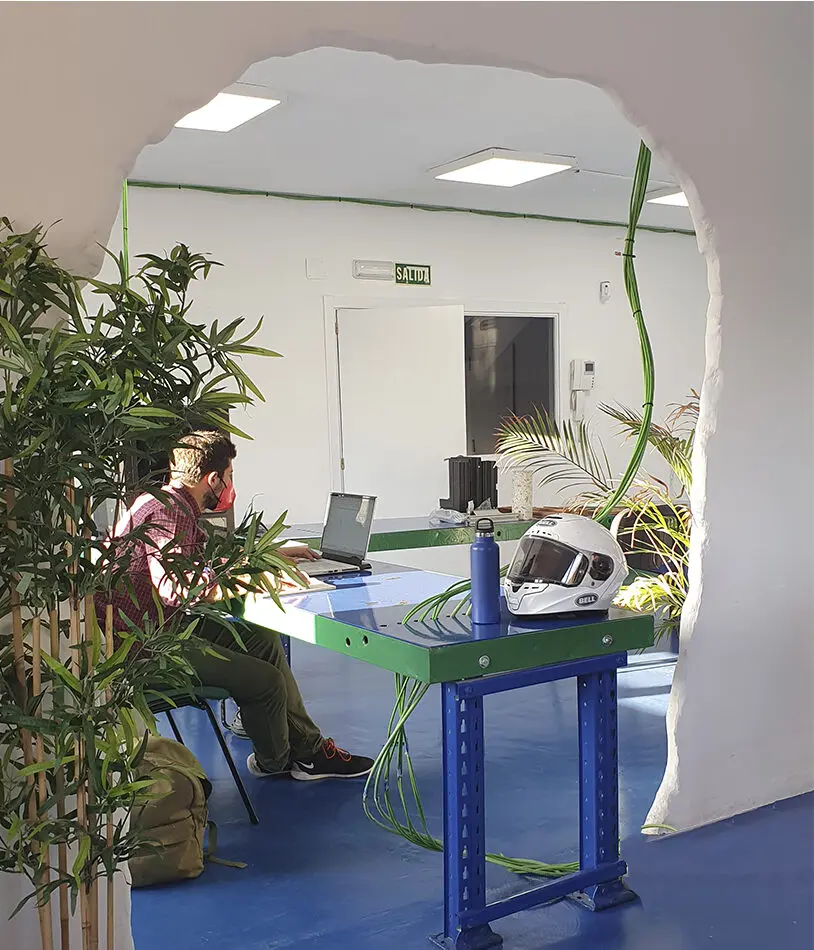
The result is an office which looks completely unfinished, a ruin, a jungle, not stylish, an office which invite
workers to do with it whatever they want. Stewart Brand in his book What Happens After They’re Built, 1994,
explains why:
“IT HAS TO DO with freedom. Or so I surmised from a 1990 conversation with John Sculley, then head of Apple Computer. Sculley was trained in architecture before he started rocketing up corporate ladders. During a break at a conference, we got talking about buildings. Apple had expanded from five buildings into thirty-one in the few years Sculley had been at Apple. I asked him, “Do you prefer moving into old buildings or making new ones?”
“Oh, old ones,” he said. “They are much more freeing.”
That statement throws a world of design assumptions upside down. Why are old buildings more freeing? A way to pursue the question is to ask, what kinds of old buildings are the most freeing?
A young couple moves into an old farmhouse or old barn, lit up with adventure. An entrepreneur opens shop in an echoing warehouse, an artist takes over a drafty loft in the bad part of town, and they feel joy at the prospect.
They can’t wait to have at the space and put it immediately to work.
What these buildings have in common is that they are shabby and spacious. Any change is likely to be an improvement. They are discarded buildings, fairly free of concern from landlord or authorities: “Do what you want. The place can’t get much worse anyway. It’s just too much trouble to tear down.”
Low Road buildings are low-visibility, low-rent, no style, high-turnover. Most of the world’s work is done in Low Road buildings, and even in rich societies the most inventive creativity, especially youthful creativity, will be found in Low Road buildings taking full advantage of the license to try things.”
By reimagining the low-road as an opportunitiy rather than a problem, the space can breathe new life minimizing the environmental burden of the refurbishment.
The project embraces the beauty of imperfection and decay, the charm of ruin. By preserving elements of the old office, we acknowledge the significance of the past while acknowledging the need for change. Embracing the poetic allure of chaos, we create a space that inspires change, fosters creativity and encourages collaboration, mirroring the disruptive aim of the start-up and symbolizing the need for regeneration and resiliance.
The space is divided in four rooms and needs two corridors.